

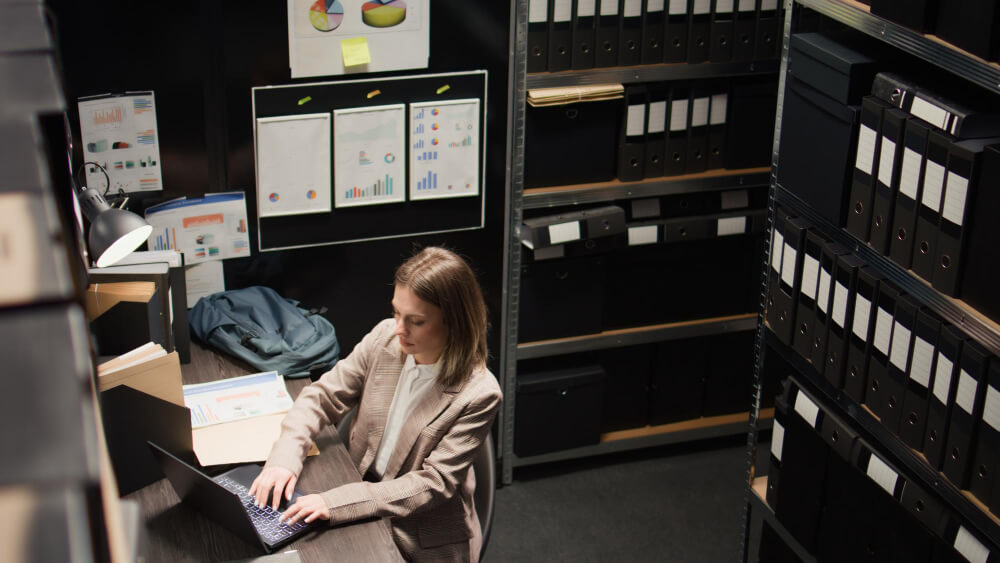
A tidy admin area is not just about appearances. It supports faster document handling, fewer misplaced records and a more professional working environment. Whether your business manages invoices, staff files, supplier documents, project records or compliance paperwork, the right file storage setup helps keep daily admin tasks under control without taking up unnecessary office space.
Choose Cabinets That Match Daily Access
The most useful file storage starts with understanding how often different documents are used. Files needed every day should be stored close to desks, reception areas or admin workstations, while archived paperwork can sit in a less active part of the office. This reduces time spent searching and keeps high-use areas clear.
Compact drawers are often practical for smaller teams because they provide organised storage without dominating the room. Businesses reviewing quality used two drawer file cabinet options can often find suitable storage for everyday records, especially where floor space is limited, and admin teams need simple access to active files.
Separate Active Files From Archive Records
One common reason offices become cluttered is that current and old documents are stored together. Active files should be easy to reach, clearly labelled and arranged by task, client, date or department. Archive records, on the other hand, can be stored in deeper cabinets, bulk storage units or dedicated filing areas.
This separation also helps with records management, which refers to the structured handling of business documents throughout their lifecycle. When files are grouped by how often they are needed, staff can retrieve information faster and avoid mixing outdated records with current paperwork.
Use Vertical Space For Admin Storage
Many admin areas have limited floor space, so vertical storage can make a significant difference. Tall filing cabinets, shelving units and cupboards allow businesses to store more documents without spreading files across desks, floors or shared work areas.
Vertical storage works particularly well for offices that hold manuals, folders, stationery, printer paper and boxed records alongside file documents. The key is to keep heavier items at lower levels and frequently used files at a comfortable height. This improves safety, reduces bending and keeps storage practical for everyday use.
Label Files With A Clear System
Even the best cabinet will not help if the files are difficult to identify. A consistent labelling system makes document retrieval quicker and reduces the risk of duplicate folders. Labels should be simple, readable and based on categories that make sense to the way the business operates.
A good system might group records by department, financial year, client type or project status. Following a simple file classification scheme can help staff use the same categories across folders, drawers and archive boxes, rather than creating several names for the same type of record. Colour-coded labels can also help teams recognise file groups quickly, although they should support the filing system rather than replace it. Clear labelling is especially important in shared admin areas where several people may access the same records.
Keep Shared Storage Easy To Maintain
Office file storage should be easy for the whole team to use, not just the person who created the system. If cabinets are overcrowded, drawers are hard to open or categories are too complicated, staff are more likely to leave papers on desks instead of filing them properly.
Regular reviews help prevent this. Admin teams can schedule simple file checks to remove duplicates, move completed records into archive storage and identify folders that are no longer needed. This supports document retention, which means keeping business records for the required period and disposing of them responsibly when they are no longer necessary.
A Smarter Way To Keep Admin Areas Tidy
Effective file storage is about making admin work easier, not creating a complicated system. Cabinets, shelves and archive areas should reflect how documents are used each day, how long they need to be kept and who needs to access them. With practical storage choices, clear labels and regular file reviews, businesses can keep admin areas tidy, efficient and ready for everyday work.